OmniNexus Team
Posting in English, Chinese and Malay Without Tripling Work
When one language is enough, when to post separate versions, and how to adapt a caption and a short video for English, Chinese and Malay buyers.
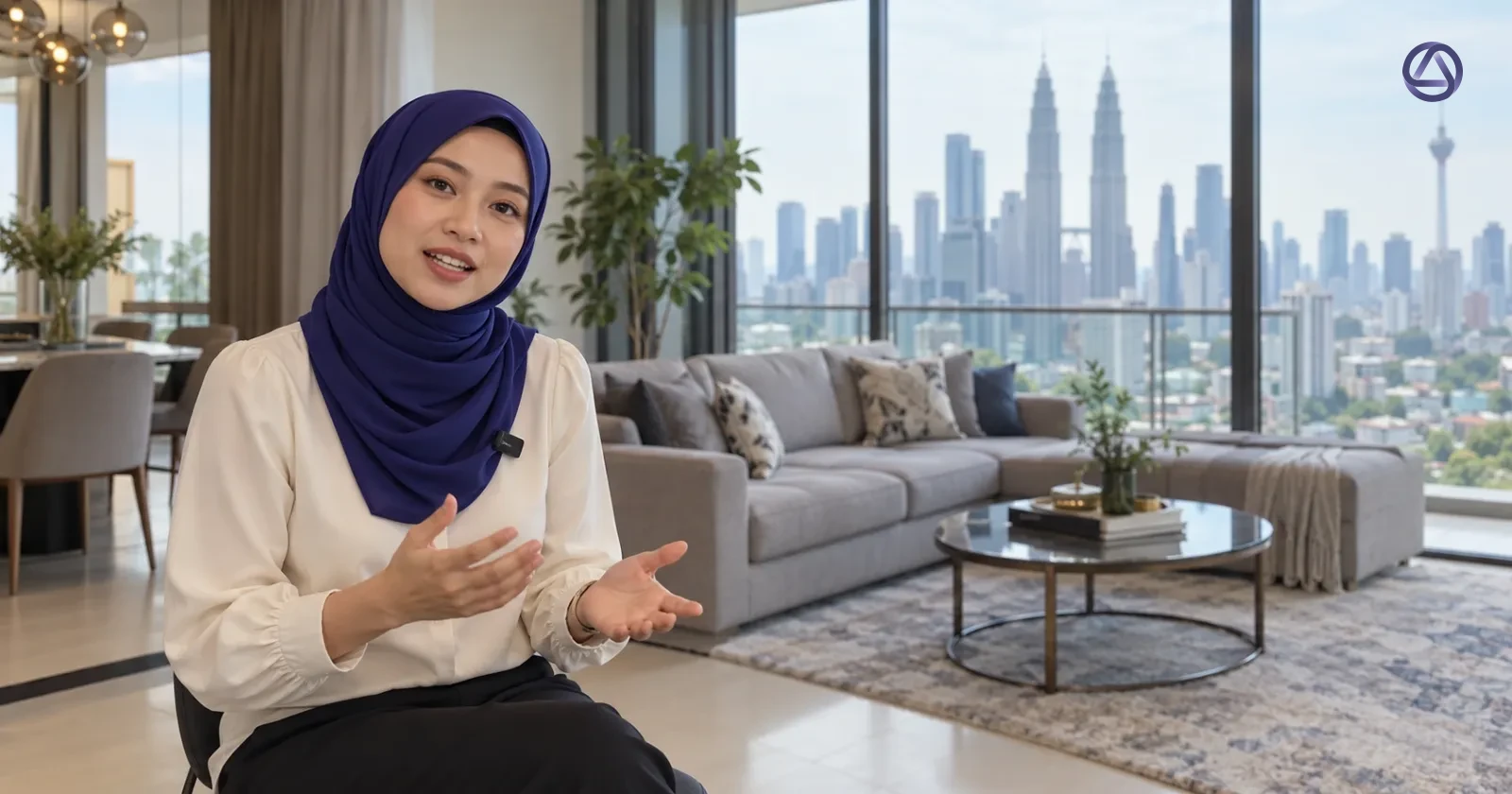
You have a good listing in Petaling Jaya. Your caption is in English because that is the language you type fastest. Some of the buyers who would love the unit scroll past, because the post does not sound like it was written for them.
Nobody has time to write every post three times. Decide which posts need another language, then adapt those posts properly.
When one language is enough
Start with your audience, not with a rule. Check who already messages you and in which language. Check who comments, who shares and who asks for viewings. Your own enquiries tell you more than any general advice about a neighbourhood.
One language is usually enough when:
- Your followers are mostly people you already know, and they all read the language you use.
- The listing is in an area and price range where buyers and agents work mainly in English, such as many condos in Mont Kiara or Bangsar South.
- You are posting a quick update, like "viewing cancelled" or "open house moved to 3pm".
- You do not yet have anyone who can check another language for you. A wrong translation is worse than none.
Mixing languages inside one caption (often called rojak) can work on personal, casual posts. For a listing, a clean single-language version usually reads as more professional.
When to post separate versions
Separate versions earn their effort when the listing and the likely buyer line up. In general terms:
- A family-sized home in a neighbourhood where many households speak Chinese at home is a good candidate for a Chinese version.
- A landed house or an affordable first home in a suburb where many buyers speak Malay at home is a good candidate for a Malay version.
- A new launch with a big marketing push usually deserves all three, because many agents are competing for the same buyers and few of them bother with more than one language.
- Parents who help their children buy a first home often read and decide in a different language from the child who found the listing. A second language reaches them directly.
Treat these as starting points and not as rules about people. Any buyer, in any area, may prefer a different language from their neighbours. Test it, watch the replies and adjust.
One caption, three versions
Here is a sample subsale listing (the details are made up for the example). First the English original.
Just listed in Petaling Jaya: freehold 3-bedroom condo, 1,100 sq ft, RM650,000. Walk to the LRT, two car parks, ready to move in. Viewing this Saturday. Message me to book a slot.
Malay:
Baru disenaraikan di Petaling Jaya: kondominium 3 bilik tidur, hak milik kekal, 1,100 kaki persegi, RM650,000. Berdekatan stesen LRT, dua petak parkir, sedia untuk didiami. Lawatan rumah pada hari Sabtu ini. Mesej saya untuk tempah slot.
Simplified Chinese:
新放盘:八打灵再也永久地契3房公寓,1,100平方尺,RM650,000。步行可到LRT站,附两个车位,可随时入住。本周六可看房,欢迎私讯预约。
These are short on purpose. Short sentences translate cleanly and are easy to check.
What changes beyond the words
A word-for-word copy misses the things each reader checks first. Here is what to look at when you adapt.
Terms. Use the term the buyer already knows. Here are the two tenure terms in each language.
| English | Malay | Chinese |
|---|---|---|
| Freehold | hak milik kekal | 永久地契 |
| Leasehold | pegangan pajakan | 租赁地契 |
If you are not sure, keep the English term in brackets after the local one. Many Malaysians read property words in English anyway.
Units. Square feet are normal in all three languages in Malaysia. In Malay write "kaki persegi" or "sq ft". In Chinese, 平方尺 is the usual form. Keep the number and the unit identical across versions, and keep RM written the same way, so nobody thinks the price changed.
Eligibility. If the unit is a Bumi lot, say so plainly in every version, and say it near the top. It decides who can buy, so it saves everyone a wasted viewing. The same goes for foreign ownership limits or a minimum price. State the rule once, clearly, in each language.
What each audience asks first. This varies by person, but a few questions come up often enough to answer in advance:
- Tenure and title: freehold or leasehold, and the title type.
- Eligibility and financing: who can buy, and whether the unit suits a loan.
- Location: which road, how far to the LRT or highway.
- Layout, facing and floor level: some buyers ask about the unit's orientation before anything else. Add a line if the unit has a good one.
- Community: nearby schools, places of worship and family amenities. Mention them only if they are true and close.
Lead with whichever answer the audience needs first. The same listing can open with the LRT line in one version and with tenure in another.
Tone. English captions in property can be punchy. Malay captions read best when they are warm and polite, with clear "you" forms. Chinese captions work well with short, factual lines. Do not copy emoji and hashtags blindly: the same ones may not fit all three audiences.
Adapting a short video
A 20 to 30 second walk-through video needs the same thinking. Do not reshoot. Change the parts that carry language:
- The first line, spoken or on screen. This is what people see before they decide to keep watching.
- Subtitles, in the language of the post. Many people watch with the sound off.
- The text card at the end, with your contact line and viewing date.
- The order of the shots. Show the LRT walk first for one version and the kitchen first for another.
Keep the footage and the music. If you speak the language yourself, record the voiceover again. If you do not, rely on subtitles and ask someone to check them.
Get a native speaker to check
Before any non-English post goes live, ask a native speaker to read it. A colleague, a family member or a trusted client will do. Ask them three things:
- Does it sound natural, or does it sound translated?
- Are the property terms the ones people actually use?
- Is anything rude, too formal or confusing?
Keep a short list of phrases that were approved, such as your standard viewing line and your sign-off. Reuse them. After a few weeks you will be sending only new facts for review, not whole captions.
A simple weekly rhythm
You do not need to post every listing in every language on the same day. Stagger it, like this.
| Day | What to do |
|---|---|
| Monday | Plan the week. Choose the one or two listings that deserve extra languages |
| Tuesday | Post the English version. This is your base |
| Wednesday | Post the Chinese or Malay version of the same listing, whichever suits the buyer |
| Thursday | Post the other language, or a local news item in the language your area reads most |
| Friday | Check which version got the most replies and note it for next week |
| Weekend | Viewing reminders in the language of the people who enquired |
Festive posts are a natural place to use more than one language. Chinese New Year, Hari Raya and Deepavali already come with their own greetings, and a short greeting in the right language says more than a long one in the wrong one. For 2026 the dates are 17 February, 21 March and 8 November. If you work in Dubai or Abu Dhabi, the same idea applies: English and Arabic are both widely used there, and Eid al-Fitr matters to many audiences.
Where Marvis fits
Marvis can write captions in any language, these three included, and make translated videos. You still read, edit and approve each post before it publishes, which is where your native-speaker check belongs. If you want to try it, you can start here.
With or without a tool, the next step is the same. Pick your next listing, write the English caption, and adapt it for one more language. Have someone check it, post it, and see who replies.